

1. A Visit to the Neighbor A Story of Connection and Subtle Transformation
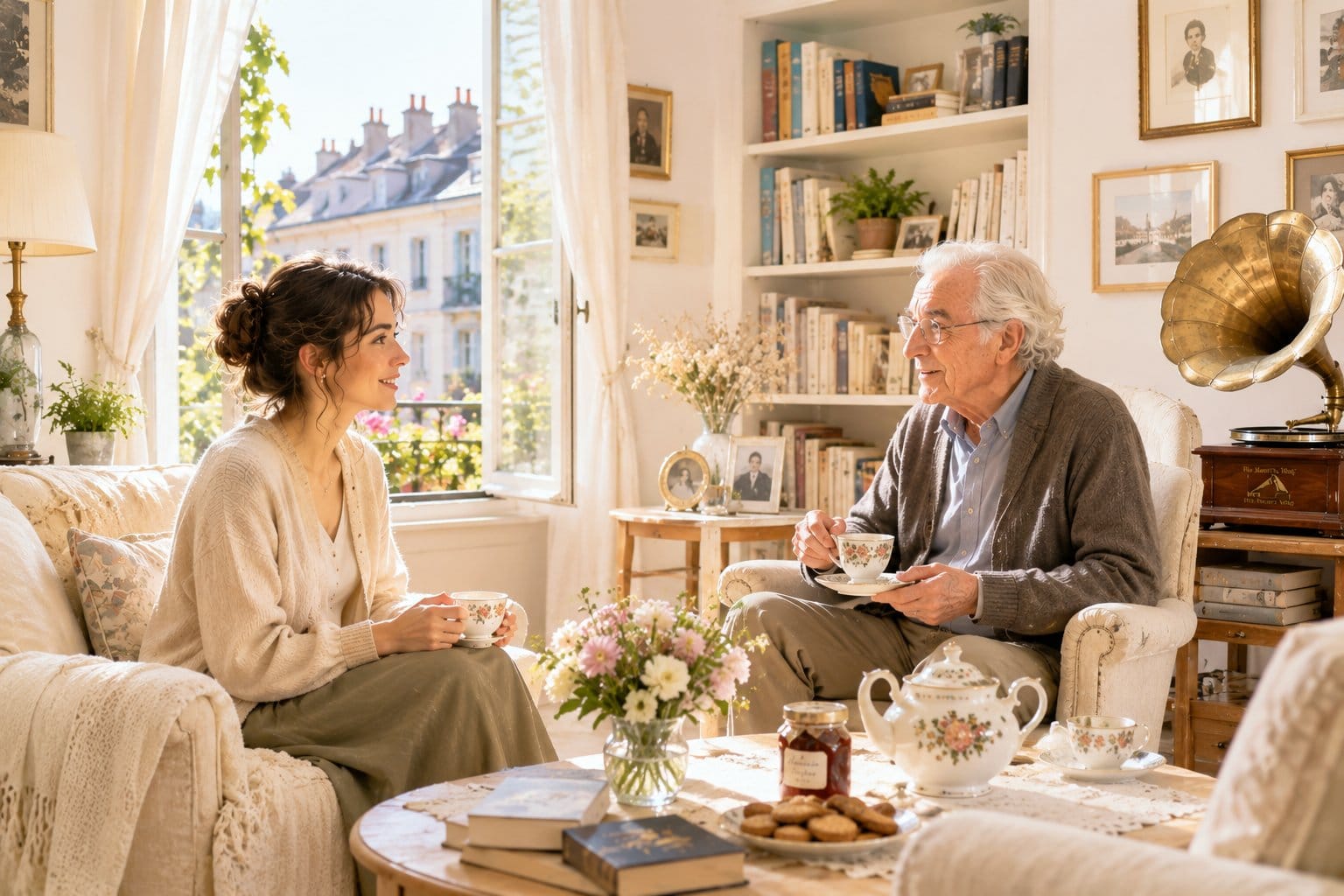
The late afternoon sun spilled languidly over the cobblestones of Rue Calvéra, painting the narrow street in shades of burnished gold. For many, this quiet corner of the city was unremarkable, a simple row of townhouses with ivy-strangled fences and uneven garden paths. But for Isolde, each doorway carried the weight of invisible stories, and today, she was about to step into one of them. Her neighbor, Mr. Thalben, had invited her for tea.
The invitation had arrived in a curious fashion—an envelope slid under her door with deliberate neatness, the handwriting ornate, as though inked by someone who believed letters still carried the dignity of rituals. In an era of perfunctory text messages and voice notes, such an invitation felt like a relic, a small rebellion against modern haste. Isolde, a translator who often lost herself in the silent labyrinth of words, found herself intrigued. Carrying a modest jar of quince jam she had made the week before, she crossed the threshold from her own home into his, a symbolic passage from solitude into shared space. The door creaked open before she could knock twice, revealing Mr. Thalben’s tall frame, slightly stooped, his pale hair gathered in an old-fashioned clasp. He welcomed her with a smile that seemed both rehearsed and deeply sincere, a paradox she could not quite untangle. The living room she entered was unlike any she had seen in her other neighbors’ homes. Bookshelves leaned like weary sentinels, their spines faded but dignified.
The curtains were a muted velvet, drawn halfway to temper the brightness of the descending sun. On the table lay an assortment of porcelain cups, each mismatched but lovingly cared for. There was a stillness to the room, yet not the sterile quiet of emptiness—it was the hush of a place where objects had absorbed countless unspoken conversations. “Do sit,” Mr. Thalben said, gesturing to an armchair. His voice carried a timbre that hinted at a life once steeped in authority, perhaps academia, though softened now by age. He poured tea with steady hands, the fragrant steam spiraling upward, and for a while, neither spoke. Isolde observed the delicate rituals—the precise way he set down the teapot, the pause before he offered sugar as though it were a philosophical choice rather than a matter of taste. The silence was not awkward; it was fertile, like a pause in music that heightens anticipation. When conversation finally unfurled, it did so gently, like a river breaking free from ice. He asked about her work, and she confessed the peculiar loneliness of translating other people’s thoughts while rarely voicing her own. He nodded with a knowing gravity, remarking that “translation is not merely language—it is a form of listening the world has forgotten.” Bit by bit, stories emerged. Mr. Thalben spoke of his late wife, an opera singer whose laughter once reverberated through these walls, leaving echoes that still clung to the air. He told her about his years teaching philosophy, how he urged students to wrestle with questions that had no tidy answers. Isolde, in turn, revealed fragments of her own restlessness, her desire to live a life of depth rather than breadth, though she often feared she was adrift in trivialities. As twilight bled into the room, he rose and fetched an old gramophone. From its horn blossomed a trembling aria, one of his wife’s recordings, grainy yet luminous. The sound seemed to transform the walls, animating the shadows with fragments of memory. Isolde felt an ache in her chest, a recognition of grief not her own but shared, a communal chord struck across time. They did not speak for a long while after the record ended. Instead, they sat in quiet companionship, drinking what remained of the tea now lukewarm, aware that something had shifted, though neither named it. When she finally left, the night air carried a crisp coolness, and the street seemed both the same and irrevocably altered. She realized that visiting a neighbor, such a mundane act, had opened a threshold into another life—a reminder that connection does not require grand gestures, only the courage to step through another’s door.
Komşuya Bir Ziyaret: Bir Bağ ve İnce Dönüşüm Hikayesi
İkindi güneşi Rue Calvéra’nın Arnavut kaldırımları üzerine tembelce dökülüyor, dar sokağı parlatılmış altın tonlarına boyuyordu. Birçoğu için şehrin bu sessiz köşesi sıradandı; sarmaşıkların boğduğu çitleri ve engebeli bahçe yolları olan basit bir sıra evden ibaretti. Ancak Isolde için her kapı eşiği görünmez hikayelerin ağırlığını taşıyordu ve bugün o, bunlardan birine adım atmak üzereydi.
Komşusu Bay Thalben, onu çaya davet etmişti. Davet tuhaf bir şekilde gelmişti; kapısının altından kasıtlı bir özenle kaydırılmış bir zarftı, el yazısı süslüydü, sanki mektupların hala ritüellerin itibarını taşıdığına inanan biri tarafından yazılmış gibi. Baştan savma kısa mesajların ve sesli notların olduğu bir çağda, böyle bir davet modern aceleciliğe karşı küçük bir isyan, bir yadigâr gibi hissettiriyordu. Kendini sık sık kelimelerin sessiz labirentinde kaybeden bir çevirmen olan Isolde, ilgisinin uyandığını hissetti.
Geçen hafta yaptığı mütevazı bir kavanoz ayva reçelini elinde taşıyarak kendi evinin eşiğinden onun evine geçti; bu, yalnızlıktan paylaşılan alana sembolik bir geçişti. Kapı o daha iki kez çalamadan gıcırdayarak açıldı ve Bay Thalben’in hafifçe kambur duran uzun boylu silüeti, eski moda bir tokayla toplanmış solgun saçlarıyla ortaya çıktı. Onu hem prova edilmiş hem de derinden samimi görünen bir gülümsemeyle karşıladı; bu, pek de çözemediği bir çelişkiydi.
Girdiği oturma odası diğer komşularının evlerinde gördüklerinden hiçbirine benzemiyordu. Kitaplıklar, sırtları solmuş ama ağırbaşlı, yorgun nöbetçiler gibi yaslanmıştı. Perdeler, batan güneşin parlaklığını hafifletmek için yarıya kadar çekilmiş, soluk renkli bir kadifeydi. Masanın üzerinde, her biri uyumsuz ama sevgiyle bakılmış, çeşit çeşit porselen fincan duruyordu. Odada bir durgunluk vardı, ancak bu boşluğun steril sessizliği değildi; nesnelerin sayısız dile getirilmemiş konuşmayı içine çektiği bir yerin sessizliğiydi.
“Lütfen oturun,” dedi Bay Thalben bir koltuğu işaret ederek. Sesi, bir zamanlar otoriteyle, belki de akademiyle yoğrulmuş bir hayata işaret eden, ancak şimdi yaşla yumuşamış bir tını taşıyordu.
Sabit ellerle çayı doldurdu, hoş kokulu buhar sarmallar çizerek yukarı doğru yükseliyordu ve bir süre ikisi de konuşmadı. Isolde, o narin ritüelleri gözlemledi – çaydanlığı yere bırakışındaki kesinlik, sanki bir zevk meselesi değil de felsefi bir seçimmiş gibi şeker ikram etmeden önceki duraksama. Sessizlik garip değildi; müzikteki beklentiyi artıran bir duraklama gibi, bereketliydi.
Sohbet nihayet açıldığında, buzdan kurtulan bir nehir gibi nazikçe açıldı. İşini sordu ve o da nadiren kendi düşüncelerini dile getirirken, başkalarının düşüncelerini çevirmenin tuhaf yalnızlığını itiraf etti. Bilgece bir ciddiyetle başını salladı ve “Çeviri sadece dil değildir, dünyanın unuttuğu bir dinleme biçimidir” diyerek karşılık verdi.
Gıdım gıdım hikayeler ortaya çıktı. Bay Thalben, kahkahaları bir zamanlar bu duvarlarda yankılanan ve havada hâlâ asılı kalan yankılar bırakan opera sanatçısı merhum eşinden bahsetti. Ona felsefe öğrettiği yıllardan, öğrencileri temiz cevapları olmayan sorularla boğuşmaya nasıl teşvik ettiğinden bahsetti. Buna karşılık Isolde de, her ne kadar sıradanlıklar içinde sürüklendiğinden korksa da, kendi huzursuzluğunun parçalarını, genişlikten ziyade derinlikli bir hayat yaşama arzusunu açığa vurdu.
Alacakaranlık odaya sızarken, o kalktı ve eski bir gramofon getirdi. Hunisinden, karısının kayıtlarından biri olan titrek bir arya çiçek açtı; cızırtılı ama yine de aydınlıktı. Ses duvarları dönüştürüyor, gölgeleri anı parçacıklarıyla canlandırıyor gibiydi. Isolde göğsünde bir sızı hissetti; bu kendine ait olmayan ama paylaşılan bir kederin kabulü, zamanın ötesinde çalınan ortak bir akordu.
Plak bittikten sonra uzun bir süre konuşmadılar. Bunun yerine, her ikisi de bir şeylerin değiştiğinin farkında olarak, ancak adını koymadan, artık ılıklaşan çaydan geriye kalanı içerek sessiz bir dostluk içinde oturdular.
Nihayet oradan ayrıldığında, gece havası taze bir serinlik taşıyordu ve sokak hem aynı hem de geri dönülmez bir şekilde değişmiş gibi görünüyordu. Komşuyu ziyaret etmek gibi sıradan bir eylemin başka bir hayata giden bir eşik açtığını fark etti; bu, bağlantı kurmanın görkemli jestler değil, sadece bir başkasının kapısından adım atma cesareti gerektirdiğine dair bir hatırlatıcıydı.